Gathering Summary March 2023
We held our regular ArtWorks Alliance Gathering last week, and it was a great opportunity to catch-up and reflect on where members of the AWA network are with their practice. The purpose of the ArtWorks Alliance is to provide opportunities for people interested in participative arts to engage with one another about their work, and to find common purpose as we develop our creative approaches that mean something to the people we represent in our many diverse communities. The gatherings are our regular opportunity to meet up, and bring together artists, advocates and practitioners of participative arts from across the UK. These are occasions for purposeful conversations, where we can share our thinking and experiences of the vital role of participative arts.
Last week, Abi Horsfield from Collective Encounters facilitated our conversation on how to manage our wellbeing as participative arts practitioners. The ArtWorks Alliance network brings together people who work in established arts organisations, freelancers and independents creative practitioners, so the experience of managing wellbeing can be quite diverse. It’s always good to hear how different network members approach the challenges of maintaining a creative practice approach, while serving the needs of the people they work with and for. Our conversation focused on distinct approaches to wellbeing, some related to the organisations that members work for, the funders they are accountable to, and let’s not forget, the responsibility we have to ourselves as individuals.
After being set our topic by Abi, we used breakout groups to ensure that everyone had a chance to contribute. These conversations were then summarised when we came back together to hear what we’d each been discussing in our groups. One observation was of the importance of reflection, coupled with our ability as practitioners, to maintain a level of awareness about the flow of our work. How do we stay tuned to our self-needs, as well as those of our clients and colleagues? How do we know we are doing what feels right for us as individuals? How do we monitor the boundaries between positive and enriching engagement, and negative and stressful interaction?
For a fulfilling working life, it was agreed that wellbeing requires a continuing ability to recalibrate and adjust, based on our ability to reflect and re-evaluate our experiences as they fit with everything else that is around us. Abi explained that at Collective Encounters she is encouraged to go for a swim when planning a workshop because that’s where her good thinking takes place. Too often, we agreed, presenteeism takes priority, and that doing something else, something more creative, is the best source of inspiration because it can be the spark that enables us to think differently.
We explored how our time working is like a journey, which, because our work isn’t static, and involves interacting with people in demanding situations, must foster a creative mindset that is open to transformation. It is necessary, we agreed, to foster and develop our ability to sustain interest in our work and not burn-out. We agreed that this is easy to say, putting a mindfulness attitude into practice needs a lot of work, especially if we are to thrive rather than just survive. The ArtWorks Alliance network, it was acknowledged, helps provide support for people often working alone. Connection with people across any network potentially benefits people who may be socially isolated. An effective network has to serve as many people as possible, not only those living in urban areas, who are in proximity to other organisations. It’s possible, however, as we were reminded, to be alone in a busy organisation where task-focussed roles mean that people don’t often get the time to collaborate and interact, unless it is about those tasks.
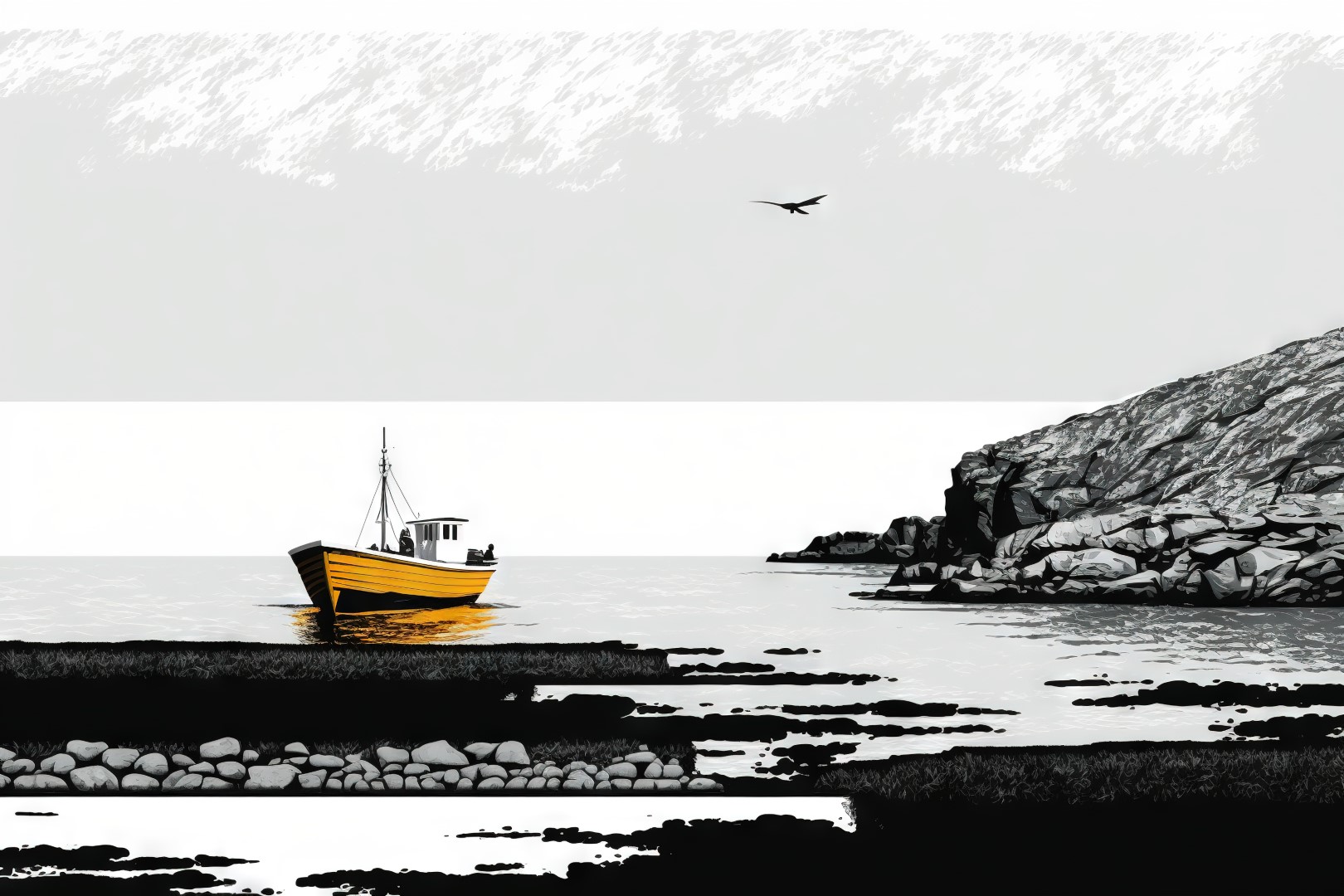
Organisations often want us to be administrators, facilitators and crisis-managers, all at once. So, it’s essential that we value the vital creative contribution that we each offer. We can do this by learning to reciprocate with other artists and creative practitioners, which in turn means we are actually supporting ourselves. The power of being a member of a network is that we see ourselves reflected in other people’s similar experiences. So, we benefit from offering mutual support to others. The poetic analogy that was shared asked us was to think that we are boats, but we are “not just floating at sea by ourselves.” “We’re all on individual journeys,” it was noted, but we can be “assured that there are other boats surrounding us.” To maintain a positive orientation and sense of wellbeing, what we need, it was suggested, “is a network and a support system.” “There might be plenty of lights at the shore that can guide us, but we don’t have to follow them all because that would be impossible.”
Wellbeing can often feel, however, that it’s just about remaining afloat. We have to make sure we’ve got enough resources on our boat to keep us going. Sometimes we just can’t set sail, and we have to pull into the dock and have a break. So, rather than trying to squeeze everything, we agreed that it’s essential to have that safe place for when the storm hits and the going gets rough.
What was most important to all contributors in our discussion, was the ability to create and set boundaries. Too often, we discussed, time runs short, and we’ve got deadlines to meet. As Abi shared with the group, “wellbeing is to thrive, not just survive. It’s the bread and the roses. To have space to think, reflect and grow and share.” Boundaries, then, are essential. We should never, for example, feel we are obliged to check our emails when away from work. We should never feel that we can’t switch off and enjoy our lives. Being a participative arts practitioner is not an emergency service, as one contributor said: “we are art workers, not therapists, not an emergency service. We can’t be twenty-four-seven to everybody.”
The flip-side of boundaries, as we discussed, is the ability to empathise with the people we are working with. Our clients and colleagues are also people who feel the same pressure in similar ways. No one is perfect, and we’ve all experienced moments when all we want is an expression of empathy that helps us to adapt to the challenges we are facing. Many people are managing their business and professional lives, their creative and personal lives across several domains, such as work and home. What we can’t do, it was noted, is just “give, give give, and get nothing in return.”
As was pointed out:
“Thinking about the boat metaphor, you know often the sea can get really quite rough, you know, at that periods of time when you get sort of an onslaught of everyone struggling. And because everyone’s struggling, it makes your boat get really rocky and workshops become about people wanting and needing space and time to reflect on what’s happening in their lives. And yet, you’re being bashed quite a lot by what’s happening, but it’s about having that space to just go ‘whoa, I need to unpack this. I need to process. I’ve been empathising all day.”
Concluding our discussion, it was clear how each of the contributors benefit from being part of a supportive network, both real-world and virtual. It’s about coming together and opening that can of worms we carry around with is, which is our feeling of wellbeing. Being creative and participative arts practitioners, we often spend more time dealing with people who don’t have the capacity or confidence to express themselves in a creative form and use creative language. Many people have never had access to creative opportunities in the past, which means that sometimes people emotionally unload in our workshops, expecting to find a space and place where they are valued and treated sympathetically. As practitioners, however, we are responsible for ensuring that a safe space is available to all, including the people we work with and for.
So, until we grasp that wellbeing won’t happen by magic, but has to be worked on and developed over time, we’ve got a lot of work to do as a network. It’s safe to say that we finished our conversation with a renewed resolve to use the networking tools that we have to hand will enable us to renew our social purpose, and ensure that the connections we make by being part of an open and supportive network dedicated to helping one another, will add value to our work as participative arts practitioners.
Best wishes,
Rob Watson